
Floral designs play a powerful role in setting the mood for weddings and special events. From elegant centerpieces to breathtaking ceremony backdrops, florists carefully plan every detail to create a cohesive and memorable experience.
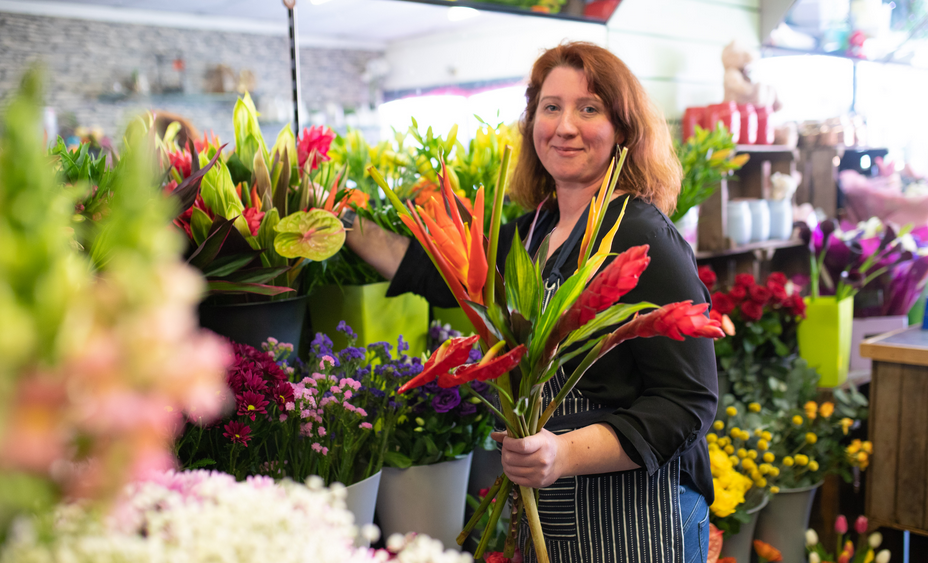
How Florists Decorate Flower Arrangements
While arrangements may look effortless on the surface, a thoughtful design process happens behind the scenes with a professional florist lake Orion.
Understanding the Vision and Event Style
The process always begins with understanding the client’s vision. Florists ask about the event theme, color palette, venue style, and overall atmosphere. A romantic wedding, for example, requires a very different floral approach than a modern corporate event or milestone celebration.
By listening closely, florists ensure their designs align with the client’s expectations. This early collaboration sets the foundation for every floral decision that follows.
Considering the Venue and Layout
Next, florists study the event venue. Indoor ballrooms, outdoor gardens, and historic spaces all influence floral choices. Ceiling height, lighting, table shapes, and traffic flow determine where arrangements should be placed and how large they should be.
Florists design with balance in mind, ensuring flowers enhance the space without overwhelming it. As a result, arrangements feel intentional and harmonious within the environment.
Choosing Flowers Based on Season and Availability
Seasonal availability plays a key role in event design. Florists often recommend flowers that are in season because they are fresher, more vibrant, and longer-lasting. Seasonal blooms also help manage costs without compromising quality.
That said, florists can still incorporate specific flowers if requested, adjusting designs to maintain freshness and durability. This flexibility allows creativity while respecting practical considerations.
Balancing Color, Texture, and Shape
Great floral design goes beyond choosing pretty flowers. Florists carefully balance color tones, textures, and shapes to create visual interest. Soft petals may be paired with structured greenery, while bold blooms might be balanced with neutral accents.
This thoughtful layering adds depth and elegance to arrangements. As a result, designs photograph beautifully and feel cohesive from every angle.
Designing for Different Event Moments
Weddings and special events often involve multiple floral elements. Bouquets, boutonnieres, ceremony arches, aisle décor, centerpieces, and accent arrangements all serve different purposes.
Florists design each piece to work together while still standing on its own. This consistency ensures the event feels polished from the ceremony to the reception and beyond.
Planning for Setup, Timing, and Longevity
Event-day logistics matter just as much as design. Florists plan delivery times, setup sequences, and placement carefully to ensure flowers look their best throughout the event.
They also consider flower durability, especially for long celebrations or outdoor events. By choosing sturdy blooms and proper hydration methods, florists help arrangements stay fresh from start to finish.
Adapting to Last-Minute Changes
Even with careful planning, events can change. Weather shifts, guest counts fluctuate, or venues adjust layouts. Professional florists remain flexible and ready to adapt.
Their experience allows them to make quick design adjustments without sacrificing quality. This adaptability is a major reason clients trust florists for important occasions.
Conclusion: How Florists Decorate Flower Arrangements
Florists design wedding and event arrangements through a thoughtful blend of creativity, planning, and collaboration. By understanding the vision, working with the venue, selecting the right flowers, and managing logistics, they create designs that elevate every moment. Ultimately, professional floral design transforms events into memorable experiences filled with beauty, balance, and meaning.
Recent Comments